In an era defined by rapid technological shifts and unpredictable market dynamics, enterprise efficiency is no longer just a competitive edge—it is a baseline requirement for survival. Modern organizations manage complex ecosystems consisting of global supply chains, intricate financial structures, diverse workforce requirements, and evolving customer expectations. Managing these disparate operational facets using isolated software systems often leads to data silos, operational bottlenecks, and administrative friction. This is precisely where Enterprise Resource Planning (ERP) systems step in, and among global business management solutions, SAP ERP stands out as the industry benchmark.
Understanding the Core Architecture of SAP ERP
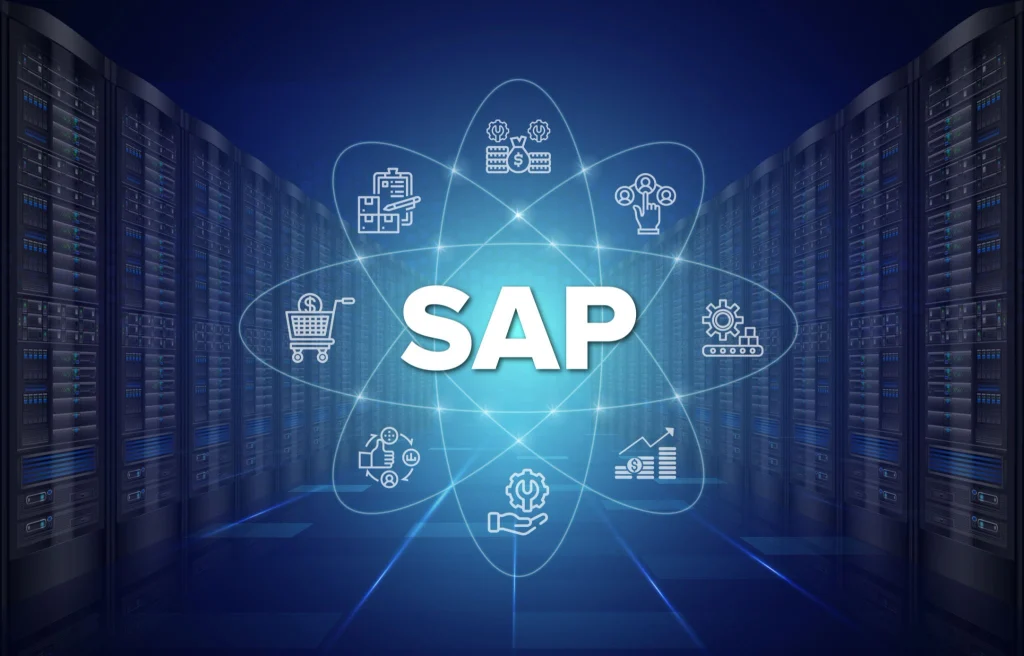
SAP, which stands for Systems, Applications, and Products in Data Processing (Systeme, Anwendungen und Produkte in der Datenverarbeitung), was founded in 1972 by five former IBM engineers in Germany. Over the past five decades, it has evolved from a small regional software vendor into one of the largest enterprise software corporations worldwide. At its foundation, SAP ERP is an integrated suite designed to streamline business operations across various corporate departments.
The primary structural strength of SAP ERP lies in its central database design. In traditional business setups, departments such as accounting, human resources, sales, and manufacturing maintain their own separate database repositories. When sales representatives log a customer order, they must manually notify inventory teams, who then pass requests to procurement and manufacturing. This manual hand-off leads to communication lags and human error.
SAP ERP eliminates departmental walls by utilizing a centralized, unified database architecture. Every transaction recorded in one functional module updates the shared system instantaneously. For instance, when a sales order is entered in SAP, the system instantly recalculates inventory availability, triggers automated procurement requests for missing raw materials, updates revenue projections in the financial ledger, and updates delivery schedules in supply chain operations.
Key Modules Driving Modern Business Operations
To cater to the functional needs of diverse business units, SAP ERP utilizes a modular system structure. Organizations can deploy specific modules tailored to their industry requirements while enjoying native integration across all operational touchpoints.
- Financial Accounting (FI) and Controlling (CO): Often grouped together as FICO, this foundational core handles internal and external financial tracking. The FI module focuses on regulatory balance sheets, general ledgers, accounts payable, and accounts receivable, providing external stakeholders with accurate reports. Meanwhile, the CO module serves internal management by tracking cost centers, profit margins, product costing, and operational budgeting.
- Sales and Distribution (SD): The SD module manages customer lifecycle interactions from initial quotations and order placements to billing, shipping, and credit risk evaluations. It links customer demand directly with back-end inventory systems.
- Materials Management (MM): Essential for supply chain integrity, MM oversees purchasing workflows, master material data, vendor management, inventory audits, and goods receipts. It ensures optimal material availability without tying up excessive working capital in unsold inventory.
- Production Planning (PP): Designed specifically for industrial manufacturers, PP manages capacity planning, bill of materials (BOM), shop floor execution, and material requirements planning (MRP), aligning production schedules directly with actual market demand.
- Human Capital Management (HCM) / SuccessFactors: Overseeing human resources, this suite manages core payroll processing, talent acquisition, performance evaluations, employee attendance, and long-term organizational workforce development.
- Plant Maintenance (PM) and Quality Management (QM): PM ensures operational equipment safety through preventive maintenance scheduling, while QM monitors inspection processes throughout product manufacturing lifecycles to maintain quality compliance.
The Evolution to SAP S/4HANA: In-Memory Computing Power
While early iterations like SAP R/3 and SAP ECC (ERP Central Component) established SAP’s legacy across global enterprise markets, the technological demand for real-time analytics prompted the development of SAP S/4HANA. Released as the next-generation ERP platform, S/4HANA represents a major architectural leap over legacy relational databases.
The defining feature of SAP S/4HANA is its underlying HANA database technology, which relies entirely on in-memory computing rather than traditional hard-disk storage. By storing transactional data directly in the computer’s primary RAM, S/4HANA processes massive transactional datasets in fractions of a second. This architectural breakthrough yields three primary operational benefits:
- Elimination of Data Redundancy: Traditional databases rely on complex data aggregation tables to render reports. S/4HANA processes analytical queries directly from transactional data, reducing database footprint and eliminating data latency.
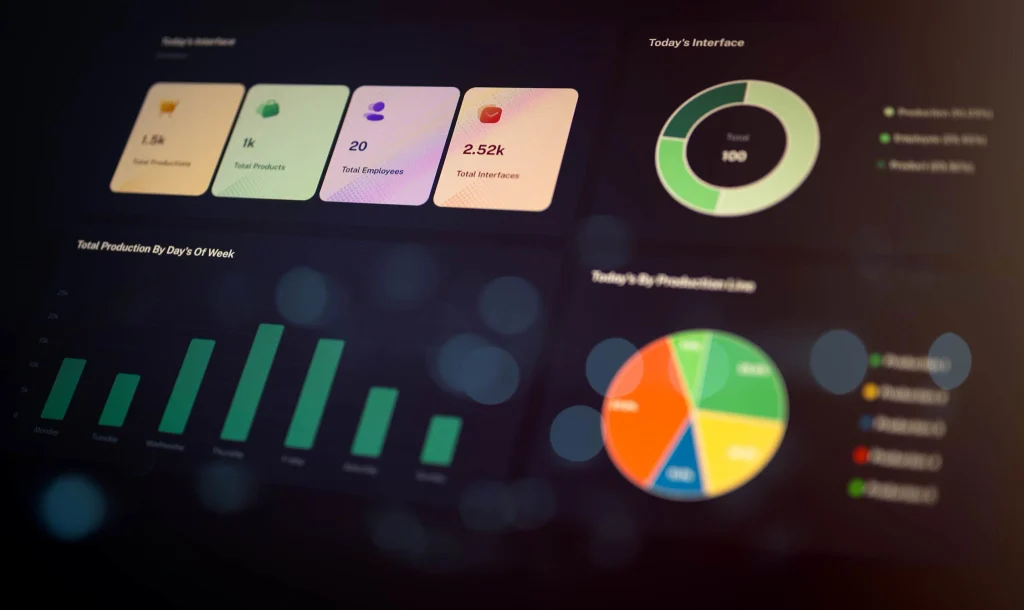
- Real-Time Predictive Analytics: Business leaders no longer need to wait for end-of-month financial consolidation reports. S/4HANA provides live dashboards, predictive cash-flow forecasting, and automated machine-learning evaluations during daily operations.
- Enhanced User Experience via SAP Fiori: Older SAP systems required navigation through complex transaction codes (T-codes). The modern SAP Fiori interface offers a clean, visual design optimized for desktop and mobile devices.
Strategic Advantages of Implementing SAP ERP
Deploying SAP ERP requires a significant investment of capital, time, and organizational change management. However, the long-term return on investment (ROI) remains compelling for mid-market and enterprise organizations.
- Complete Operational Visibility: By standardizing metrics across international subsidiaries and business divisions, enterprise leadership gains a single source of truth for all corporate operational performance indicators.
- Regulatory Compliance and Data Governance: SAP builds strict audit trails and international compliance frameworks into its standard core software, helping multi-national enterprises comply with local tax regulations, financial accounting standards, and data protection legislation like GDPR.
- Process Standardization and Efficiency: Standardizing core business processes around proven industry best practices helps eliminate redundant manual efforts, reducing administrative expenses and operational processing times.
- Scalability and Ecosystem Integration: Whether expanding into new geographic markets or acquiring subsidiaries, SAP’s modular architecture accommodates business scaling without requiring complete system re-architecture.
Key Challenges and Best Practices for Implementation
Despite its clear business benefits, implementing SAP ERP is a complex technical undertake. High-profile project delays often stem from organizational mistakes rather than software limitations.
Understanding these core pitfalls allows organizations to structure effective implementation programs:
- Managing Scope Creep and Customizations: Organizations often fall into the trap of heavily customizing standard SAP source code to mirror outdated legacy workflows. Industry best practices advocate for adopting SAP’s pre-configured “Clean Core” standard business processes wherever possible.
- Prioritizing Organizational Change Management: Software transitions fail when end users reject new operational workflows. Successful organizations invest heavily in comprehensive staff training, leadership alignment, and continuous communication channels throughout the migration process.
- Data Migration and Cleansing Strategy: Migrating inaccurate, outdated, or duplicated master data into a new SAP environment degrades operational analytics quality. Rigorous data cleansing must occur well before technical system migration begins.
Future Outlook: Cloud Deployment and Artificial Intelligence
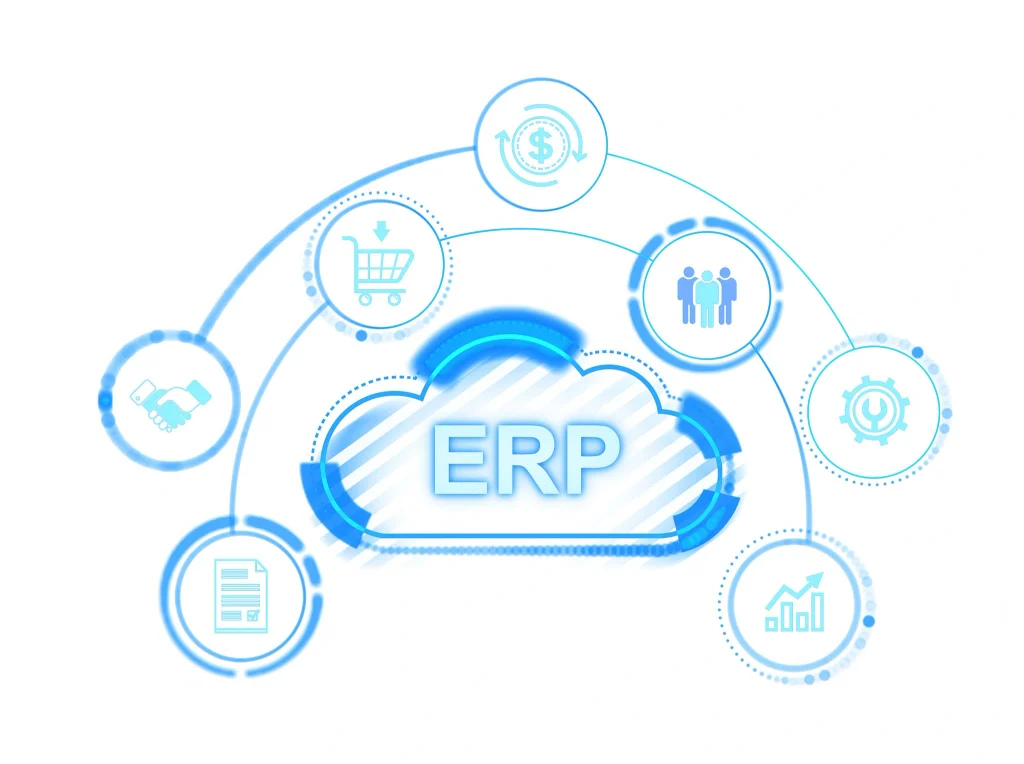
The future of SAP ERP centers on cloud innovation and embedded artificial intelligence. Through initiatives like “RISE with SAP” and “GROW with SAP,” the vendor is helping organizations move away from traditional on-premise hardware deployments toward public and private cloud models. Cloud deployment lowers hardware management overhead, accelerates system update cycles, and enhances overall cybersecurity posture.
Furthermore, SAP continues to embed generative artificial intelligence tools—such as the SAP Joule copilot—directly into core enterprise workflows. These AI systems assist finance teams in detecting fraud patterns, aid procurement specialists in evaluating supplier reliability, and streamline HR recruitment processes.
Ultimately, SAP ERP remains a foundational software solution for modern enterprise management. By unifying disparate operational departments around a single, real-time dataset, SAP provides the agility, visibility, and scalability needed to navigate an increasingly complex global marketplace.
The Complete Guide to SAP ERP: Architecture, Key Modules, and Business Transformation
In an era defined by rapid technological shifts and unpredictable market dynamics, enterprise efficiency is no longer just a competitive edge—it is a baseline requirement for survival. Modern organizations manage complex ecosystems consisting of global supply chains, intricate financial structures, diverse workforce requirements, and evolving customer expectations. Managing these disparate operational facets using isolated software systems often leads to data silos, operational bottlenecks, and administrative friction. This is precisely where Enterprise Resource Planning (ERP) systems step in, and among global business management solutions, SAP ERP stands out as the industry benchmark.
Understanding the Core Architecture of SAP ERP
SAP, which stands for Systems, Applications, and Products in Data Processing (Systeme, Anwendungen und Produkte in der Datenverarbeitung), was founded in 1972 by five former IBM engineers in Germany. Over the past five decades, it has evolved from a small regional software vendor into one of the largest enterprise software corporations worldwide. At its foundation, SAP ERP is an integrated suite designed to streamline business operations across various corporate departments.
The primary structural strength of SAP ERP lies in its central database design. In traditional business setups, departments such as accounting, human resources, sales, and manufacturing maintain their own separate database repositories. When sales representatives log a customer order, they must manually notify inventory teams, who then pass requests to procurement and manufacturing. This manual hand-off leads to communication lags and human error.
SAP ERP eliminates departmental walls by utilizing a centralized, unified database architecture. Every transaction recorded in one functional module updates the shared system instantaneously. For instance, when a sales order is entered in SAP, the system instantly recalculates inventory availability, triggers automated procurement requests for missing raw materials, updates revenue projections in the financial ledger, and updates delivery schedules in supply chain operations.
Key Modules Driving Modern Business Operations
To cater to the functional needs of diverse business units, SAP ERP utilizes a modular system structure. Organizations can deploy specific modules tailored to their industry requirements while enjoying native integration across all operational touchpoints.
- Financial Accounting (FI) and Controlling (CO): Often grouped together as FICO, this foundational core handles internal and external financial tracking. The FI module focuses on regulatory balance sheets, general ledgers, accounts payable, and accounts receivable, providing external stakeholders with accurate reports. Meanwhile, the CO module serves internal management by tracking cost centers, profit margins, product costing, and operational budgeting.
- Sales and Distribution (SD): The SD module manages customer lifecycle interactions from initial quotations and order placements to billing, shipping, and credit risk evaluations. It links customer demand directly with back-end inventory systems.
- Materials Management (MM): Essential for supply chain integrity, MM oversees purchasing workflows, master material data, vendor management, inventory audits, and goods receipts. It ensures optimal material availability without tying up excessive working capital in unsold inventory.
- Production Planning (PP): Designed specifically for industrial manufacturers, PP manages capacity planning, bill of materials (BOM), shop floor execution, and material requirements planning (MRP), aligning production schedules directly with actual market demand.
- Human Capital Management (HCM) / SuccessFactors: Overseeing human resources, this suite manages core payroll processing, talent acquisition, performance evaluations, employee attendance, and long-term organizational workforce development.
- Plant Maintenance (PM) and Quality Management (QM): PM ensures operational equipment safety through preventive maintenance scheduling, while QM monitors inspection processes throughout product manufacturing lifecycles to maintain quality compliance.
The Evolution to SAP S/4HANA: In-Memory Computing Power
While early iterations like SAP R/3 and SAP ECC (ERP Central Component) established SAP’s legacy across global enterprise markets, the technological demand for real-time analytics prompted the development of SAP S/4HANA. Released as the next-generation ERP platform, S/4HANA represents a major architectural leap over legacy relational databases.
The defining feature of SAP S/4HANA is its underlying HANA database technology, which relies entirely on in-memory computing rather than traditional hard-disk storage. By storing transactional data directly in the computer’s primary RAM, S/4HANA processes massive transactional datasets in fractions of a second. This architectural breakthrough yields three primary operational benefits:
- Elimination of Data Redundancy: Traditional databases rely on complex data aggregation tables to render reports. S/4HANA processes analytical queries directly from transactional data, reducing database footprint and eliminating data latency.
- Real-Time Predictive Analytics: Business leaders no longer need to wait for end-of-month financial consolidation reports. S/4HANA provides live dashboards, predictive cash-flow forecasting, and automated machine-learning evaluations during daily operations.
- Enhanced User Experience via SAP Fiori: Older SAP systems required navigation through complex transaction codes (T-codes). The modern SAP Fiori interface offers a clean, visual design optimized for desktop and mobile devices.
Strategic Advantages of Implementing SAP ERP
Deploying SAP ERP requires a significant investment of capital, time, and organizational change management. However, the long-term return on investment (ROI) remains compelling for mid-market and enterprise organizations.
- Complete Operational Visibility: By standardizing metrics across international subsidiaries and business divisions, enterprise leadership gains a single source of truth for all corporate operational performance indicators.
- Regulatory Compliance and Data Governance: SAP builds strict audit trails and international compliance frameworks into its standard core software, helping multi-national enterprises comply with local tax regulations, financial accounting standards, and data protection legislation like GDPR.
- Process Standardization and Efficiency: Standardizing core business processes around proven industry best practices helps eliminate redundant manual efforts, reducing administrative expenses and operational processing times.
- Scalability and Ecosystem Integration: Whether expanding into new geographic markets or acquiring subsidiaries, SAP’s modular architecture accommodates business scaling without requiring complete system re-architecture.
Key Challenges and Best Practices for Implementation
Despite its clear business benefits, implementing SAP ERP is a complex technical undertake. High-profile project delays often stem from organizational mistakes rather than software limitations.
Understanding these core pitfalls allows organizations to structure effective implementation programs:
- Managing Scope Creep and Customizations: Organizations often fall into the trap of heavily customizing standard SAP source code to mirror outdated legacy workflows. Industry best practices advocate for adopting SAP’s pre-configured “Clean Core” standard business processes wherever possible.
- Prioritizing Organizational Change Management: Software transitions fail when end users reject new operational workflows. Successful organizations invest heavily in comprehensive staff training, leadership alignment, and continuous communication channels throughout the migration process.
- Data Migration and Cleansing Strategy: Migrating inaccurate, outdated, or duplicated master data into a new SAP environment degrades operational analytics quality. Rigorous data cleansing must occur well before technical system migration begins.
Future Outlook: Cloud Deployment and Artificial Intelligence
The future of SAP ERP centers on cloud innovation and embedded artificial intelligence. Through initiatives like “RISE with SAP” and “GROW with SAP,” the vendor is helping organizations move away from traditional on-premise hardware deployments toward public and private cloud models. Cloud deployment lowers hardware management overhead, accelerates system update cycles, and enhances overall cybersecurity posture.
Furthermore, SAP continues to embed generative artificial intelligence tools—such as the SAP Joule copilot—directly into core enterprise workflows. These AI systems assist finance teams in detecting fraud patterns, aid procurement specialists in evaluating supplier reliability, and streamline HR recruitment processes.
Ultimately, SAP ERP remains a foundational software solution for modern enterprise management. By unifying disparate operational departments around a single, real-time dataset, SAP provides the agility, visibility, and scalability needed to navigate an increasingly complex global marketplace.