Traditional Enterprise Resource Planning systems were designed in an era dominated by on-premises servers, rigid relational databases, and static organizational structures. These legacy systems often created siloed environments where finance, human resources, and operational planning functioned on completely separate tracks, requiring complex custom code and fragile third-party integrations to talk to one another.
Workday turned this legacy model on its head by building an enterprise cloud ecosystem from the ground up on a single, unified codebase. Understanding how Workday approaches ERP reveals a fundamental shift in how modern organizations manage finance, talent, and operational strategy in real time.
1. The Single-Data-Core Architecture
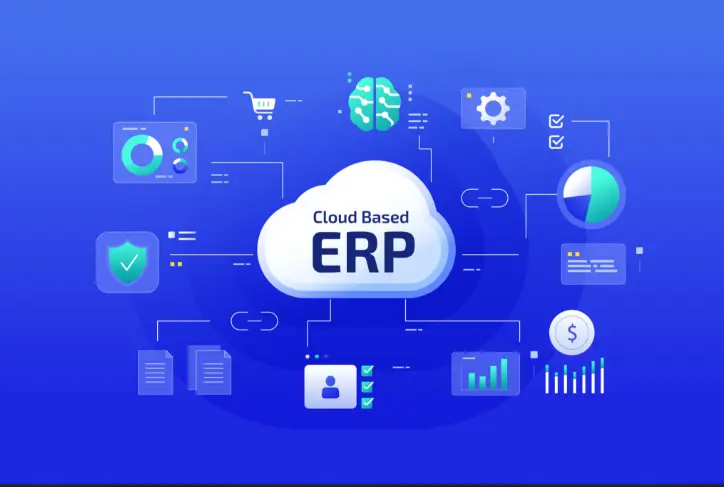
At the center of Workday’s ERP philosophy is its unified data architecture, often referred to as a single-data-core or single-source-of-truth model.
- Unified Object Model: Rather than storing transactional data across fragmented database tables, Workday uses an object-based in-memory database architecture. Every transaction, employee record, ledger entry, and operational metric lives within a shared object model.
- Zero Data Reconciliation: Because human capital management and financial management share the same underlying data structures, HR updates (such as headcount changes or reorganizations) immediately map to financial budgets without manual exports or batch processing.
- Continuous In-Memory Analytics: In-memory technology allows organizations to process complex operational tasks while generating real-time analytics simultaneously, eliminating the need to move data out of the core system into an external data warehouse for basic reporting.
2. Shift from Legacy ERP to Power of One
Workday built its entire suite around what it calls the “Power of One”—one single version of software, one unified security model, one user interface, and one architectural framework for all customers worldwide.
- Continuous Delivery Model: Traditional ERP updates involved multi-year upgrade projects, significant downtime, and heavy maintenance costs. Workday delivers seamless, automated cloud updates twice a year, ensuring every client operates on the most current version.
- Configurable Workflows Without Custom Code: Legacy systems required custom coding to adapt business processes, making future updates difficult. Workday replaces custom coding with a configurable Business Process Framework, letting enterprise administrators adapt approval flows and organizational hierarchies without breaking the core platform architecture.
- Consistent User Experience across Devices: Whether accessed by an executive reviewing financial dashboards on a tablet or an employee submitting expenses on a mobile device, the platform delivers a uniform interface tailored to individual user roles.
3. Embedded Artificial Intelligence and Machine Learning
Rather than treating Artificial Intelligence as an external add-on or a separate third-party module, Workday embeds AI and Machine Learning directly into the platform core.
- Native Talent & Skill Architecture: Machine learning algorithms continuously analyze enterprise skill inventories, matching employees to internal career opportunities, project roles, and targeted training programs.
- Automated Financial Anomalies Detection: In financial management, embedded algorithms analyze ledger transactions in real time to spot errors, flag fraudulent expense claims, and highlight accounting anomalies before books are closed.
- Intelligent Document Processing: AI-driven document intelligence automatically ingests invoices, receipts, and procurement contracts, extracting relevant line items and routing approvals to accelerate accounts payable cycles.
4. Financial Management Built for Agility
Traditional ERP financial modules rely heavily on rigid chart-of-accounts setups that limit reporting flexibility. Workday takes a dimensional tag-based approach to enterprise accounting.
- Dimensional Accounting Framework: Workday utilizes “Worktags” to attach contextual tags (such as region, cost center, project, brand, or campaign) directly to financial transactions, providing multidimensional insight without cluttering the primary general ledger.
- Continuous Financial Close: By capturing transaction data in real time alongside operational context, financial teams can move away from traditional period-end crunches toward continuous, rolling accounting checks.
- Integrated Financial Planning & Analysis: Financial planning tools sit directly on top of live transactional data, allowing FP&A teams to create rolling forecasts, run scenario models, and evaluate strategic investments based on live enterprise metrics.
5. Seamless Integration of Human Capital with Financials
For most modern organizations, human talent accounts for the vast majority of operating expenses. Workday’s decision to launch with human resource management before expanding into finance created a distinct strategic advantage.
- Holistic Workforce Cost Planning: Organizations can model future headcount hiring, compensation structures, and benefit allocations with immediate visibility into balance-sheet and income-statement impacts.
- Dynamic Organizational Hierarchy Management: When business units restructure, organizational changes automatically update reporting workflows, approval chains, and security groups across both HR and financial divisions.
- Global Payroll and Localized Compliance: Built-in localization frameworks accommodate multi-country regulatory compliance, local tax calculations, and global payroll processing through a single central management console.
Key Business Advantages of the Workday ERP Framework
- Reduced IT Maintenance Overhead: Eliminating legacy on-premises servers, hardware maintenance, and custom database scripts allows enterprise technology teams to shift focus toward strategic innovation.
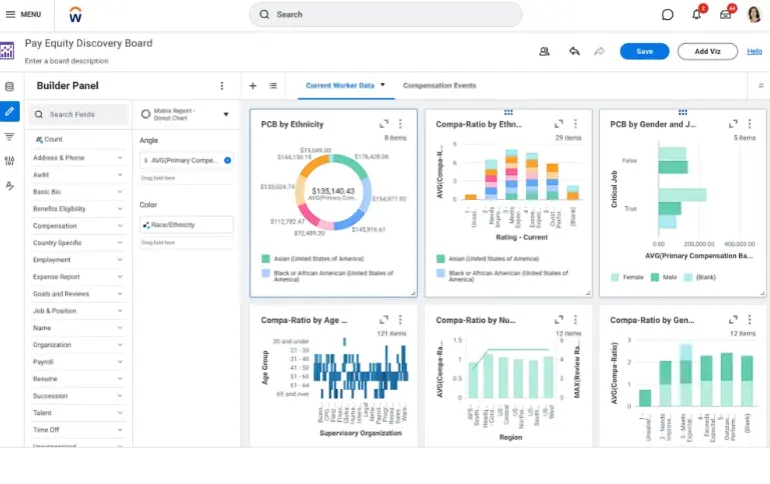
- Faster Time-to-Insight: Executives and department leaders can access real-time dashboards and drill down to granular transaction details without waiting for IT teams to build custom database reports.
- Scalable Global Enterprise Operations: Cloud elasticity enables growing enterprises to add new business units, acquire companies, or expand into international regions with minimal deployment friction.
- Enhanced Compliance and Auditability: Every transaction, process alteration, and security configuration within the platform creates an immutable audit trail, simplifying regulatory compliance and financial audits.
Moving Forward
Workday’s approach to ERP redefines enterprise software design by replacing fragmented databases and legacy customizations with a unified, cloud-native architecture. By placing financial management, talent planning, and artificial intelligence within a single continuous framework, the platform provides modern businesses with the real-time visibility and flexibility needed to thrive in a rapidly changing economy.