In an increasingly volatile economic landscape, modern organizations are forced to adapt rapidly or risk irrelevance. Legacy Enterprise Resource Planning (ERP) systems, once considered the bedrock of corporate IT infrastructure, have become costly bottlenecks. On-premise servers require continuous hardware maintenance, complex software patches, and costly localized IT management. Modern scaling businesses need agility, real-time visibility, automated processes, and seamless cross-departmental coordination.
Enter Oracle NetSuite, the world’s pioneer and leading true-cloud ERP system. Designed to manage end-to-end business operations within a unified platform, NetSuite empowers organizations to streamline financial processes, optimize supply chains, enhance customer management, and fuel international expansion without the friction of legacy IT silos.
What is Oracle NetSuite Cloud ERP?
At its core, Oracle NetSuite is a comprehensive, cloud-native ERP platform built to automate core business operations across an entire organization. Founded in 1998 as NetLedger, NetSuite holds the distinction of being the first enterprise software company built from the ground up for the cloud. Acquired by Oracle Corporation in 2016, NetSuite combined its agile cloud architecture with Oracle’s massive cloud infrastructure, global scale, and deep database expertise.
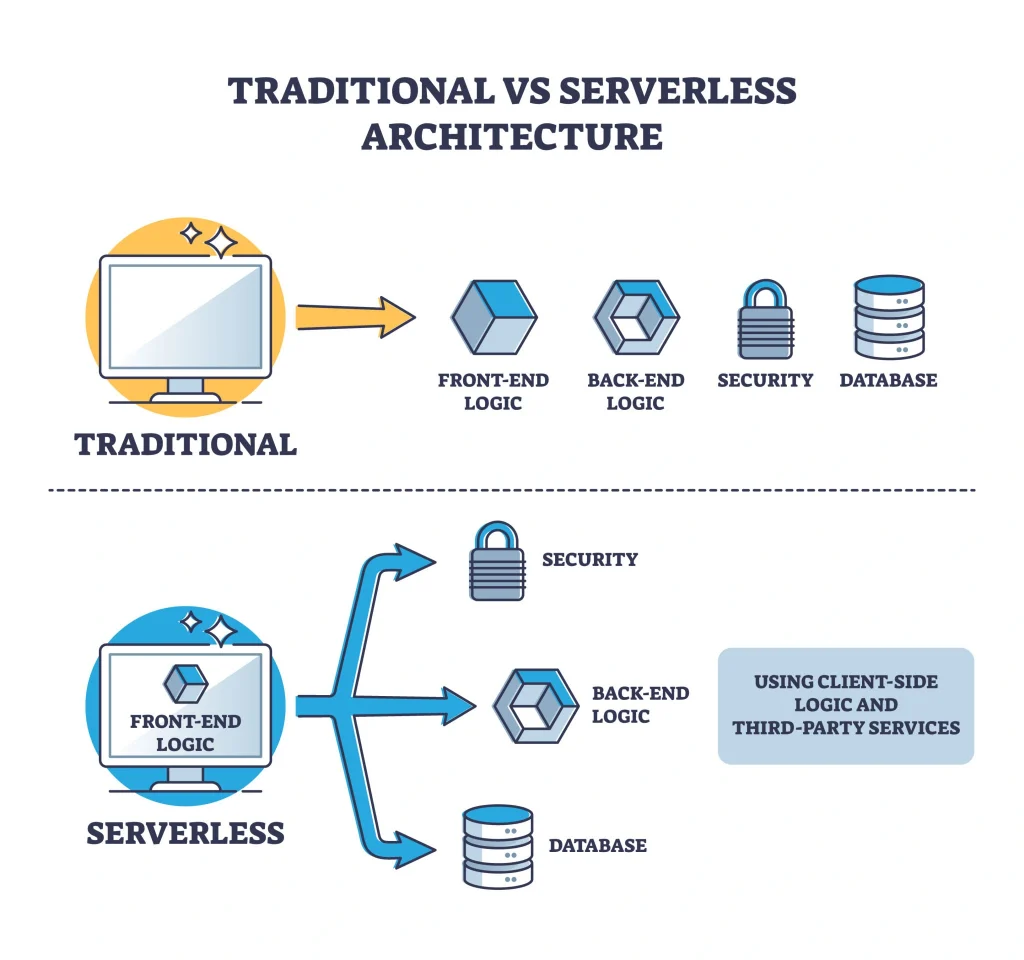
Unlike traditional ERPs that rely on retrofitted legacy code or hosting desktop applications on remote virtual machines, NetSuite operates as a multi-tenant Software-as-a-Service (SaaS) solution. Every user accesses the software through a standard web browser, benefiting from automatic bi-annual updates that keep every customer on the exact same modern software version without breaking customized workflows.
The Single Source of Truth
The defining characteristic of NetSuite is its unified data model. In fragmented tech stacks, accounting operates on one system, sales CRM on another, inventory management in a warehouse software package, and e-commerce on an external platform. This creates dangerous data silos, requiring manual data entry, prone to human error, and delaying leadership’s access to performance metrics.
NetSuite eliminates these barriers by running all core functional areas on a single centralized database:
- Financial Management & Accounting: General ledger, accounts payable/receivable, fixed asset management, and complex multi-entity consolidation.
- Customer Relationship Management (CRM): Sales force automation, customer service management, marketing automation, and lead-to-quote workflows.
- Inventory & Order Management: Real-time stock visibility across multiple locations, demand planning, and automated purchase order generation.
- Global Business Management (OneWorld): Multi-currency, multi-subsidiary, multi-tax, and multi-language capabilities for international operations.
- Human Capital Management (SuitePeople): Core HR functions, onboarding tools, time tracking, and performance management aligned with corporate goals.
- Professional Services Automation (SuiteProjects): Project accounting, resource utilization, billing, and project management for service-oriented firms.
The Architectural Advantage of True Cloud ERP
To understand why thousands of mid-market companies and fast-growing enterprises migrate to NetSuite, one must examine the underlying technology.
Multi-Tenant Architecture
In a true multi-tenant cloud environment, multiple customers share a common infrastructure and database engine, while their data remains completely isolated and secure. This architecture drives massive economies of scale:
- Zero Infrastructure Overhead: Companies eliminate the need to purchase, maintain, or upgrade physical servers, database licenses, backup power supplies, and dedicated cooling systems.
- Automatic, Version-less Upgrades: NetSuite automatically deploys updates twice a year. Customizations made to the system carry over seamlessly without needing expensive developer intervention or re-coding.
- Predictable Operational Expenses: Subscriptions replace high upfront capital expenditure (CapEx) with manageable, subscription-based operational expenses (OpEx).
Scalability and Elasticity
As businesses expand into new geographical regions, launch new product lines, or experience exponential transactional growth, NetSuite scales instantly. Running on Oracle Cloud Infrastructure (OCI), NetSuite provides hyper-scalable computing power, robust data encryption, disaster recovery, and near 100% uptime guarantees.
Core Capabilities of Oracle NetSuite
NetSuite offers a rich suite of applications tailored to support every stage of a company’s operational workflow.
Advanced Financial Management
Financial integrity is the foundation of any successful company. NetSuite delivers a powerful accounting engine that shortens the monthly financial close, speeds up order-to-cash cycles, and simplifies complex compliance rules (including GAAP, IFRS, and ASC 606 revenue recognition requirements).
- Automated Reconciliation: Direct integrations with banking institutions streamline daily bank feeds and automated balance reconciliations.
- Revenue Recognition: Automated scheduling rules manage complex contract subscriptions, deferred revenue, and recurring billing models effortlessly.
- Multi-Subsidiary Consolidation: NetSuite OneWorld allows parent companies to manage dozens of global subsidiaries, executing real-time currency conversions and eliminating intercompany transactions at the touch of a button.
Intelligent Supply Chain & Inventory Control
In an era of global supply chain disruptions, visibility into stock movement is vital. NetSuite gives managers real-time control over raw materials, work-in-progress inventory, and finished goods across distribution centers, third-party logistics (3PL) providers, and retail outlets.
- Demand Planning: Historical sales trends and seasonal patterns drive accurate reorder point calculations and automated purchasing schedules.
- Lot & Serial Tracking: Complete traceability from vendor delivery to end-customer shipment ensures full quality control and rapid recall management when necessary.
- Warehouse Management (WMS): Mobile barcode scanning, pick/pack/ship strategies, and guided inventory put-away workflows maximize warehouse labor productivity.
Integrated CRM and Commerce Solutions
Customer experience is intrinsically linked to backend operations. NetSuite bridges the traditional divide between sales teams and financial fulfillment.
- 360-Degree Customer View: Sales representatives can view real-time customer credit status, order histories, pending support tickets, and communication logs within one window.
- SuiteCommerce: Unified omnichannel commerce tools allow businesses to launch B2B and B2C web stores that pull inventory, pricing, and order status directly from the ERP in real time.
Transformative Business Benefits
Implementing a cloud ERP platform like Oracle NetSuite delivers quantifiable return on investment across multiple key performance indicators.
1. Real-Time Operational Visibility
Traditional reporting relies on extracting spreadsheets from separate systems, manually merging data, and generating static reports weeks after a financial period ends. NetSuite provides role-based, real-time executive dashboards. A CFO can monitor cash flow trends, a VP of Sales can track rep performance, and a Warehouse Manager can audit stock levels instantly from any mobile device or browser.
2. Drastic Reduction in Operational Costs
By replacing disparate point solutions with a single platform, businesses reduce software licensing fees, eliminate custom integration maintenance costs, and lower internal IT headcount needs. Automated workflows drastically cut down manual administrative tasks, enabling staff to focus on strategic growth activities.
3. Accelerated International Expansion
Scaling globally requires navigating local laws, tax codes, and currency fluctuations. NetSuite OneWorld provides localized tax engines (such as VAT or GST compliance) and multi-language capabilities across dozens of countries, allowing companies to spin up international subsidiaries in days rather than months.
4. Built-in Business Intelligence & Analytics
NetSuite SuiteAnalytics offers embedded reporting, business intelligence tools, and customizable pivot tables directly inside the core application. Users do not need complex SQL queries or external data warehouses to perform ad-hoc operational analysis.
Industry-Specific Solutions
Recognizing that different sectors face unique operational challenges, Oracle NetSuite offers pre-configured industry editions based on decades of implementation best practices (SuiteSuccess methodology):
- Manufacturing: Advanced BOM (Bill of Materials) management, routing, shop-floor control, capacity planning, and work-order management.
- Wholesale Distribution: Optimized inventory turns, automated reordering, multi-channel order orchestration, and landed cost tracking.
- Software & Tech Companies: Automated recurring billing, complex subscription management, contract renewals, and specialized ASC 606 revenue compliance tools.
- Professional Services: Project billing, resource management, time and expense tracking, and project profitability forecasting.
- Retail & E-commerce: Unified point-of-sale (POS) integration, centralized inventory visibility, and omnichannel order fulfillment.
The Path to Successful ERP Implementation
Adopting a enterprise-wide software system represents a strategic transformation for any organization. To ensure a smooth transition and maximize ROI, companies should consider the following best practices:
- Adopt Standard Best Practices: NetSuite’s SuiteSuccess model includes pre-configured workflows tailored to specific industries. Rather than customizing the system to mirror legacy, inefficient processes, businesses should adapt their workflows to match industry best practices provided out of the box.
- Prioritize Data Cleanliness: Migrating clean, deduplicated data from legacy systems prevents historical errors from polluting the new ERP environment.
- Invest in Change Management: Software adoption is ultimately about people. Comprehensive user training, clear executive leadership, and internal communication ensure long-term employee engagement and smooth system adoption.
The Future of Enterprise Operations with NetSuite
As businesses continue to navigate digital transformation, AI, and global market evolution, Oracle NetSuite remains committed to continuous technological innovation. Built-in artificial intelligence, machine learning features, predictive financial forecasting, and automated contextual insights are seamlessly integrated into everyday user workflows.
Oracle NetSuite represents much more than traditional accounting or inventory management software—it is an end-to-end operational operating system built for modern business growth. By unifying financial data, inventory workflows, sales channels, and customer relationships within a single, secure cloud environment, NetSuite provides growing companies with the clarity, efficiency, and agility needed to dominate their respective markets.