Enterprise Resource Planning systems have shifted from a luxury for Fortune 500 corporations to a fundamental requirement for growing businesses. In an era defined by fast supply chains, hybrid workforces, and vast amounts of operational data, relying on disconnected software creates friction that slows growth.
Understanding what an ERP system is, how it functions, and how to choose the right platform can transform your organization’s efficiency and long-term competitiveness.
What Is an ERP System?
An Enterprise Resource Planning (ERP) system is a centralized software platform designed to manage and integrate the core business processes of an organization. Instead of running sales, human resources, inventory, finance, and manufacturing on separate, isolated applications, an ERP system unifies these functions into a single ecosystem.
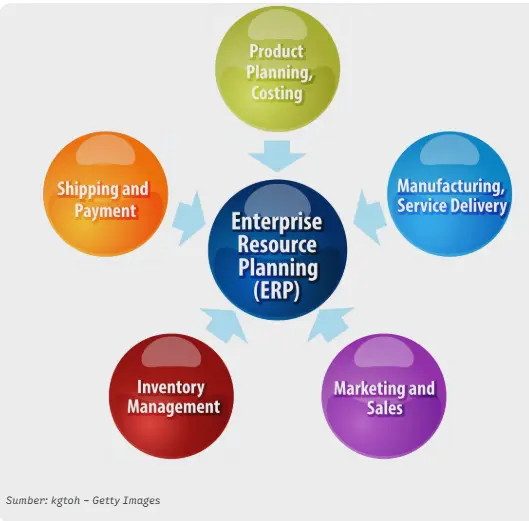
Core Modules of Modern Enterprise Resource Planning
ERP software is modular, meaning organizations can implement only the functions they need and add more capabilities as they grow. While configurations vary by industry, several core modules form the backbone of most ERP solutions.
Finance and Accounting The financial module serves as the operational engine of any ERP. It automates basic bookkeeping, general ledgers, accounts payable, accounts receivable, and asset management. Beyond simple record-keeping, advanced financial modules deliver real-time profit analysis, revenue forecasting, and automated regulatory compliance reporting across multiple currencies and tax jurisdictions.
Supply Chain Management (SCM) Managing the flow of goods from raw material procurement to final customer delivery requires continuous coordination. SCM modules track supplier performance, manage purchase orders, optimize logistics, and predict supply disruptions before they paralyze production lines.
Inventory and Warehouse Management Overstocking ties up valuable capital, while stockouts lead to lost revenue and customer dissatisfaction. ERP inventory modules provide real-time visibility into stock levels across multiple warehouses, retail outlets, and distribution channels. Features like automated reorder points and barcode tracking streamline warehouse operations.
Human Capital Management (HCM) Employees are an enterprise’s most critical asset. HCM modules handle core HR functions such as payroll processing, benefits administration, employee onboarding, performance tracking, and attendance management, reducing administrative overhead for HR teams.
Customer Relationship Management (CRM) While dedicated CRM tools exist, integrated ERP sales and CRM modules connect sales pipelines directly to inventory and financial workflows. This enables sales representatives to view real-time product availability, credit limits, and order statuses while talking to prospects.
The Evolution of ERP Architecture: On-Premise vs. Cloud
The structural foundation of ERP technology has evolved dramatically over the last three decades. Understanding these deployment models helps businesses align software capabilities with technical requirements and financial resources.
Modern cloud ERP architecture and connected services. Sumber: innni / Getty Images
On-Premise ERP
Historically, businesses hosted ERP software on their own servers located inside physical data centers. On-premise solutions offer maximum control over security protocols, deep customization capabilities, and total ownership of physical hardware. However, they demand significant upfront capital expenditure (CapEx) for server infrastructure, dedicated IT teams for maintenance, and complex manual upgrade processes that can take months to execute.
Cloud ERP (SaaS)
Cloud-based Software-as-a-Service (SaaS) ERP platforms host applications on managed vendor infrastructure (such as AWS, Azure, or Google Cloud). Businesses access the system over a secure web connection via subscription pricing (OpEx). Cloud deployment eliminates hardware maintenance, accelerates deployment timelines, and grants instant access to automated system updates, modern cybersecurity protocols, and mobile access for remote teams.
Hybrid ERP
For mid-sized and enterprise companies with existing legacy infrastructure, a hybrid model bridges the gap. Core, highly sensitive operational data stays on internal servers, while agile functions like customer service, field management, and analytics operate in the cloud.
Transformative Benefits of Implementing an ERP System
Investing in an enterprise-wide platform demands time and financial resources. However, the long-term return on investment (ROI) manifests across every department through specific operational advantages.
- Elimination of Data Silos: Departments no longer work in isolation. Real-time data sharing minimizes miscommunication and accelerates decision-making.
- Streamlined Process Automation: Routine, repetitive manual processes—such as invoice matching, order fulfillment tracking, and monthly financial consolidation—are automated to minimize human error.
- Enhanced Data Security and Compliance: Consolidating company records into a single platform allows IT teams to enforce strict role-based access controls, robust encryption, and reliable audit trails required by frameworks like GDPR, HIPAA, or SOC 2.
- Superior Forecasting and Analytics: Built-in business intelligence tools synthesize operational data into customized dashboards, enabling leadership teams to make data-driven predictions rather than relying on guesswork.
- Scalability for Growth: As companies enter new geographic markets, launch product lines, or complete acquisitions, modular ERP systems expand capacity without requiring a total software overhaul.
Key Steps in the ERP Implementation Lifecycle
Replacing core business software carries inherent risks. A structured implementation methodology ensures smooth migration and high adoption rates.
1. Discovery and Strategic Planning Before writing code or selecting a software vendor, form a cross-functional project committee. Identify operational pain points, define measurable project metrics (KPIs), and document detailed workflow requirements across all business units.
2. Vendor Evaluation and Selection Evaluate platforms based on industry alignment, modular flexibility, total cost of ownership (TCO), vendor financial stability, and ecosystem integration capabilities. Request functional product demonstrations built around your company’s actual daily operational scenarios.
3. System Design and Data Migration Work alongside experienced implementation partners to configure the software around your target workflows. Concurrently, clean, audit, and de-duplicate legacy data before migrating it to the new ERP database to avoid transferring bad data into a new system.
4. Rigorous Testing and User Training Conduct extensive User Acceptance Testing (UAT) to uncover configuration bugs and process bottlenecks. Comprehensive end-user training sessions built around specific job roles ensure team members feel comfortable operating the system before launch day.
5. Go-Live and Post-Implementation Optimization Transition from legacy platforms to the live ERP platform using a cutover strategy (such as a phased rollout or parallel run). Maintain dedicated post-launch support desks to address user questions quickly and refine system performance based on real-world operational feedback.
Overcoming Common ERP Implementation Challenges
Despite clear financial and operational benefits, ERP projects can encounter hurdles without proactive project management.
- Employee Resistance to Change: Changing established daily routines creates user friction. Address change management early through clear leadership messaging, open feedback loops, and ongoing user support.
- Scope Creep: Adding non-essential custom features mid-project inflates budgets and delays launch schedules. Stick to core requirements during initial deployment and schedule non-critical customizations for future phases.
- Budget Overruns: Unexpected expenses often stem from complex data migration, specialized third-party integrations, or extended consultant hours. Build a 15% to 20% contingency fund into the initial project budget to maintain financial control.
Future Trends Shaping the ERP Landscape
As enterprise software matures, emerging technological innovations continue to redefine what ERP systems can accomplish.
- Artificial Intelligence and Machine Learning: Modern ERPs leverage embedded AI to automate anomaly detection in financial audits, recommend dynamic pricing adjustments, and power predictive maintenance alerts for factory machinery.
- Internet of Things (IoT) Integration: Connecting IoT sensors directly to an ERP supply chain module provides real-time tracking of shipment temperatures, vehicle locations, and equipment health on the factory floor.
- Composable ERP Architecture: Forward-thinking organizations are adopting composable ERP strategies—using flexible Application Programming Interfaces (APIs) to connect best-of-breed microservices to a lightweight central core, maximizing agility in fast-changing markets.
Conclusion
An Enterprise Resource Planning system is far more than a software upgrade—it is a strategic operational foundation. By dismantling operational silos, automating workflows, and providing real-time visibility into company performance, an ERP platform gives growing businesses the agility required to thrive in competitive global markets.
Selecting the right deployment model, preparing your team for operational change, and choosing an experienced implementation partner ensures your enterprise realizes the full value of its digital transformation journey.