In today’s fast-paced corporate environment, managing short-term liabilities efficiently is a cornerstone of operational stability and healthy cash flow. Enterprise Resource Planning systems have evolved from basic inventory tracking platforms into robust, fully integrated management solutions. At the core of any financial suite within an ERP sits the native Accounts Payable module.
While many organizations consider bolt-on solutions or external software to handle invoice processing, utilizing an ERP’s built-in AP module offers unparalleled benefits in data consistency, real-time visibility, and operational efficiency.
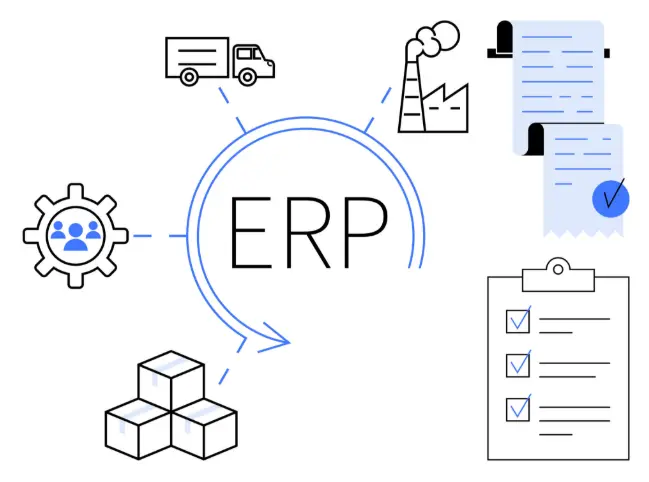
Understanding the Core Functionality of a Native AP Module
An ERP’s native Accounts Payable module manages every aspect of an organization’s short-term debts to suppliers, vendors, and service providers. Unlike standalone accounts payable tools, an embedded AP module operates within the same database as procurement, inventory, general ledger, and cash management modules.
Key capabilities typically built directly into native AP modules include:
- Automated Invoice Processing: Capturing vendor invoices, matching line items against purchase orders, and validating charges without manual data re-entry.
- Three-Way Matching: Automatically cross-referencing invoice details with corresponding Purchase Orders and Receiving Records (Goods Received Notes) to prevent overpayment or fraud.
- Vendor Master Data Management: Maintaining comprehensive vendor profiles, payment terms, tax information, and banking details in a single centralized location.
- Payment Scheduling and Execution: Optimizing payment timing to take advantage of early payment discounts while keeping cash on hand as long as possible.
- General Ledger Synchronization: Instantly posting liability creation, expense distribution, and payment disbursemnt directly to appropriate accounts without batch interface delays.
Eliminating Silos: The Value of Full Data Integration
The primary advantage of leveraging an native AP module over third-party software is the elimination of data silos. Third-party AP automation tools require continuous API integrations or scheduled file transfers to synchronize with the core general ledger. These bridges often break, delay financial reporting, or corrupt master data.
When finance teams work directly within the native ERP AP module, every invoice entry immediately updates vendor balances, inventory valuation, project costing, and cash forecasting. For instance, when the receiving department marks goods as arrived in the inventory module, the native AP module immediately registers the pending liability against the purchase order. This seamless interaction reduces discrepancies between purchasing and accounting teams.
Streamlining the Invoice-to-Pay Lifecycle
The journey of an invoice from receipt to payment resolution involves multiple handoffs. Without a unified system, processing a single invoice can take days or weeks, introducing risks of lost documents and delayed vendor payments. A native AP module simplifies this lifecycle into structured, transparent phases:
1. Invoice Intake and Data Capture
Modern native AP modules incorporate Optical Character Recognition technology and electronic data interchange capabilities. Invoices entering the system via email or portal upload are parsed automatically, mapping vendor names, line items, taxes, and totals directly into staging tables within the ERP.
2. Automated Matching and Exception Handling
Once captured, the module initiates two-way or three-way matching. If the invoice matches the purchase order and goods receipt within predefined tolerance limits, it moves straight to payment queuing without human intervention. If variances occur, the system automatically flags the exception and routes it directly to the responsible buyer or department manager for resolution.
3. Approval Workflows and Governance
Native ERP modules utilize the overarching organizational hierarchy to enforce approval matrices. Invoices exceeding specific thresholds or lacking pre-approved purchase orders are routed dynamically through designated approval channels, complete with full audit trails.
4. Payment Execution and Reconciliation
When payments mature, the module aggregates approved invoices by vendor, currency, or payment method (such as ACH, wire transfer, or check). Upon payment approval, the system generates electronic payment files, dispatches remittance advices to vendors, and updates both accounts payable balances and cash accounts simultaneously.
Enhancing Financial Controls and Risk Mitigation
Internal control failures in accounts payable can lead to duplicate payments, vendor fraud, and non-compliance with statutory tax regulations. An ERP’s native AP module acts as a strict enforcement mechanism for internal compliance policies.
- Duplicate Prevention: The module automatically checks invoice numbers, amounts, and vendor identifiers to flag potential duplicate entries before approval.
- Audit Trail Visibility: Every interaction, modification, approval stamp, and ledger posting is logged with timestamps and user credentials, facilitating smooth internal and external audits.
- Separation of Duties: Built-in role-based security ensures that the employee who creates or approves purchase orders cannot approve payments or alter vendor banking details, upholding strict governance guidelines.
Optimizing Working Capital and Cash Flow Management
Managing liquid assets requires precise forecasting of upcoming cash outflows. When financial managers rely on disconnected systems, cash projections often rely on outdated or incomplete invoice data.
A native AP module provides real-time visibility into current and future liabilities. Financial leaders can run aging reports instantly, analyze upcoming payment commitments, and evaluate supplier discount opportunities. For example, if a vendor offers a “2/10 Net 30” payment term, the native module calculates the annualized return of taking the early payment discount versus preserving cash. This allows treasurers to make data-backed decisions that optimize short-term capital.
Evaluating Native AP Modules vs. Third-Party Solutions
While third-party AP automation software often advertises specialized user interfaces, relying on an ERP’s native AP functionality offers strategic long-term benefits:
- Lower Total Cost of Ownership: Utilizing native functionality eliminates recurring third-party subscription fees, interface maintenance costs, and vendor integration overhead.
- Simplified IT Architecture: System administrators maintain a single platform, reducing security vulnerabilities and minimizing system downtime during upgrade cycles.
- Unified Reporting and Analytics: Native modules feed directly into the ERP’s primary reporting tools, allowing executives to analyze spend patterns across divisions without merging data sets in spreadsheets.
- Consistent User Experience: Finance personnel operate within a single, familiar system interface, reducing training time and boosting productivity across departments.
Best Practices for Maximizing Native AP Module Efficiency
To fully realize the value of an native Accounts Payable module, organizations should adopt specific operational strategies during and after implementation:
- Standardize Purchasing Policies: Enforce a strict “No PO, No Pay” policy across the enterprise to ensure that all invoices can undergo automated three-way matching.
- Maintain Clean Vendor Master Data: Perform periodic audits of the vendor master file to deactivate obsolete accounts, consolidate duplicate profiles, and verify banking information.
- Configure Tolerance Levels: Establish reasonable variance thresholds for pricing and quantity discrepancies to allow routine, minor differences to pass through automatically without manual intervention.
- Leverage Vendor Portals: Utilize native ERP vendor portals where suppliers can upload invoices directly, view payment status, and update contact details independently.
Conclusion
An ERP’s native Accounts Payable module is far more than a basic record-keeping tool—it is a central engine for enterprise financial control, vendor relationship management, and operational efficiency. By leveraging the built-in capabilities of a single unified ERP platform, businesses eliminate the friction, integration risks, and delayed visibility inherent in third-party software. Investing time to configure and optimize native AP workflows enables organizations to safeguard assets, maintain positive vendor relationships, and gain clear control over their working capital.